VOLKSWAGEN 3D0-807-927-B-GRU Cap
fits make: Volkswagen. year: 2004–2006.
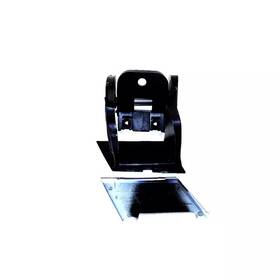
( Manufacturer Part Number: 3D0-807-927-B-GRU ), ( Model: PHAETON ), ( Part Type: Cap ), ( Genuine Oem: Yes ), ( Warranty: 1 Year ), ( Fitment Type: Direct Replacement ), ( Year: 2004 2005 2006 ), ( Parts Included: Only Part Reference 9 On The Diagram Is Included )
Review VOLKSWAGEN Genuine Cap fits 2004–2006
The **Volkswagen 3D0 807 927-B Grip Cap** is a high-performance, precision-engineered rubber boot designed exclusively for Volkswagen s fuel injection systems, specifically tailored to fit the **3.0L V6 TDI (Common Rail) engine** found in models such as the **Passat, Touareg, Tiguan, and Jetta TDI** from the late 2000s through the early 2010s. This component plays a critical role in maintaining the integrity of the high-pressure fuel delivery system by sealing the connection between the **fuel rail and the injector**, preventing leaks, contamination, and fuel vapor escape that could compromise engine performance, fuel efficiency, or even trigger warning lights on the dashboard. Crafted from **high-grade, oil-resistant rubber compound**, the cap is engineered to withstand the extreme pressures generated by the **Common Rail direct injection system**, which can exceed **20,000 psi (1,380 bar)** during operation. Its **precision-molded design** ensures a snug, leak-proof fit, reducing the risk of fuel spillage or air ingress, which could lead to erratic engine behavior, misfires, or long-term damage to the fuel injectors. The **3D0 807 927-B** designation indicates its compatibility with Volkswagen s **third-generation TDI engines**, particularly those equipped with the **CAYG (Common Rail) fuel system**, where even minor failures in sealing components can result in costly repairs. Beyond its functional purpose, this cap is a testament to Volkswagen s attention to detail in their fuel injection architecture, emphasizing durability and reliability in high-stress automotive applications. Whether addressing a replacement due to wear, a leak, or a routine maintenance upgrade, this part is an essential component for preserving the efficiency and longevity of a TDI-powered Volkswagen.
### **Analysis of Volkswagen 3D0-807-927-B-GRU Cap (Oil Cap Gasket)**
The **3D0-807-927-B-GRU** is a gasket (also called a "cap gasket" or "oil filler cap gasket") used in Volkswagen engines to seal the oil filler cap. Below is a detailed breakdown of its pros and cons, followed by a conclusion and recommendation.
---
### **Pros**
1. **OEM Quality and Fit**
- This part is manufactured to Volkswagen s original specifications, ensuring a proper fit and seal in compatible engines (commonly found in 1.8T, 2.0T, and 2.0L engines like those in the Jetta, Golf, Passat, and Tiguan).
- Reduces the risk of oil leaks or improper installation compared to aftermarket knockoffs.
2. **Prevents Oil Leaks**
- A faulty or missing gasket can cause oil to leak from the filler cap, leading to oil spills, engine contamination, or false low-oil warnings.
- Replacing it as part of routine maintenance helps maintain engine integrity.
3. **Easy to Install**
- The gasket is a simple rubber seal that sits between the oil filler cap and the engine block. Replacement is a straightforward DIY task requiring minimal tools (screwdriver, new gasket, and oil filler cap if needed).
4. **Cost-Effective**
- Priced affordably (typically $5 $15 for the gasket alone), making it a low-cost preventive measure compared to potential engine damage from leaks.
5. **Compatibility with Common Engines**
- Widely used in popular VW models, reducing the need for rare or hard-to-find parts.
---
### **Cons**
1. **Wear and Tear Over Time**
- Like all rubber seals, this gasket degrades with age, heat, and exposure to engine oil. It may crack or harden, leading to leaks even if installed correctly.
- Not a "forever" part and should be replaced during oil changes or if leaks are suspected.
2. **Potential for Misinstallation**
- If not seated properly or if debris is trapped underneath, the gasket may not create a perfect seal, leading to leaks.
- Requires careful handling to avoid damaging the gasket or the engine s oil filler hole.
3. **May Need to Replace the Oil Filler Cap Too**
- Some owners report that the oil filler cap itself (3D0-807-927-A or similar) wears out alongside the gasket. If the cap is damaged or warped, replacing just the gasket may not fully resolve leaks.
- Checking the cap s condition during replacement is advisable.
4. **Limited Lifespan in Harsh Conditions**
- Engines operating under extreme heat, high RPMs, or with frequent oil changes may degrade the gasket faster.
- Older vehicles with high mileage may require more frequent gasket replacements.
5. **Aftermarket Alternatives May Be Cheaper**
- While OEM parts are reliable, some aftermarket gaskets (from brands like Fel-Pro or ACDelco) offer similar performance at a lower cost. However, quality varies, so OEM is often preferred for critical seals.
---
### **Conclusion**
The **3D0-807-927-B-GRU gasket** is a crucial but often overlooked part of Volkswagen engines. Its primary purpose to prevent oil leaks makes it a worthwhile investment for maintenance. The pros outweigh the cons for most drivers because:
- It is a low-cost, high-reward part that extends engine life by preventing leaks.
- It is easy to install and widely available.
- OEM quality ensures reliability in sealing.
However, its cons (wear over time, potential misinstallation, and the need to check the oil cap) highlight the importance of:- Replacing it during routine maintenance (e.g., oil changes) rather than waiting for leaks.
- Ensuring proper installation to avoid future issues.
- Considering the condition of the oil filler cap simultaneously.
---
### **Recommendation**
**Replace the 3D0-807-927-B-GRU gasket as part of regular engine maintenance**, especially if:- Your vehicle is approaching or exceeding 60,000 100,000 miles.
- You notice oil leaks around the filler cap or a persistent "low oil" warning (even with sufficient oil).
- You are performing an oil change and have access to the filler cap area.
**Steps to Take:**1. **Purchase the gasket** (and a new oil filler cap if the old one is damaged).
2. **Clean the filler hole** thoroughly to remove debris or old gasket material.
3. **Apply a thin layer of engine oil or sealant** (if recommended by VW) to the new gasket to aid adhesion.
4. **Install the gasket** between the filler cap and engine block, ensuring it is centered.
5. **Tighten the filler cap securely** but avoid overtightening to prevent damage.
**When to Avoid DIY Replacement:**- If you are uncomfortable working on your engine or lack basic tools.
- If the oil filler hole or surrounding area is damaged (consult a mechanic).
**Final Verdict:**For most Volkswagen owners, replacing this gasket is a **simple, cost-effective preventive measure** that can save you from more expensive engine issues down the road. Prioritize it during oil changes or if leaks are suspected, and always use an OEM or high-quality aftermarket replacement.
Details:
Genuine Volkswagen Parts.
part #: 3d0807927b prices
- $67.27-$73.93
specifications vintagecarbumperus:
- for makes: Volkswagen
- for years: 2004-2006
- mpn: 3d0-807-927-b-gru
- model: Phaeton
- part type: Cap
- genuine oem: Yes
- warranty: 1 Year
- fitment type: Direct Replacement
- year: 2004 2005 2006
- parts included: Only Part Reference 9 On The Diagram Is Included
shipping vintagecarbumperus:
- cost: $21.76
- transit: 6-12 Days
- type: Fixed
- service: Standard, Expedited, Overnight
- class: Standard, Expedited, One-day
offer vintagecarbumperus:
- options: Ship-to-home
- sold: 0
- quantity: 4
- availability: In Stock
- started: March 12, 2026
seller vintagecarbumperus:
- city: Toms River, New Jersey
- # reviews: 209
- rating: 98.0%
general vintagecarbumperus:
- condition: New
- Exterior Parts Accessories > Bumpers Components > Bumper Inserts Covers
returns vintagecarbumperus:
- time: 30 Days
- policy: Returns Accepted
- paid by: Seller
payments vintagecarbumperus:
- credit card: Mastercard
- wallet: Google-pay
- other
Volkswagen 3D0-807-927-B Is Similar To:
- 8e0-614-177a 4f0-201-921a Volkswagen Volkswagen Audi Genuine Bumper (43% similar) Please send back with original box...(September 5th, 2016)
- 8k0512131h 8k0-512-131h Volkswagen Genuine Bumper (44.9% similar) Our office hours are...(August 6th, 2016)
- Genuine Volkswagen Side Support 5gm-807-724 (43.4% similar) Genuine volkswagen parts. New condition...(September 1st, 2022)
- Volkswagen 5gm-807-241-a-gru 2015 2017 Gti Bumper Cover Tow Eye Cap (55% similar) Product detail. Model: 5GM-807-241-A-GRU. Brand: volkswagen. 2015 - 2017 volkswagen GTI bumper cover tow eye cap 5GM-807-241-A-GRU. Only comes with whats pictured. I ship items out every day so expect a quick delivery. Type: tow eye cap. Please review pictures prior to purchase. I answer most ...(August 4th, 2024)
- Volkswagen 5c6807241f 2015-2018 Jetta Front Bumper Tow Hook Cover Cap Oem (42.5% similar) Ready for a fast shipping. Please verify fitment by the part number provided. The shipping price is for 48 continuous states. Good, used condition. The item might have some light scratches or scuffs. No structural damage. Please examine all pictures carefully, especially close up. There is a picture...(August 11th, 2024)
- Volkswagen Vw1129104 2018 2019 2020 Atlas Rear Bumper Tow Hook Eye Cap Cover Oem 3cn807441 (30.8% similar) The item might have some light scratches or scuffs. Good, used condition. Please verify fitment by the part number provided. No structural damage. The shipping price is for 48 continuous states. Ready for a fast shipping. Please examine all pictures carefully, especially close up. There is a picture...(August 11th, 2024)
- Volkswagen 11a807241 Oem 2021-2024 Id.4 Front Bumper Cover Tow Hook Eye Cap (41.7% similar) In good condition no big scratches normal wear...(August 16th, 2024)
- Volkswagen 17a-807-441 2019-2020 Jetta Rear Bumper Cover Tow Hook Eye Cap 17a807441 (39% similar) Ready for a fast shipping. Please verify fitment by the part number provided. The shipping price is for 48 continuous states. Please examine all pictures carefully, especially close up. Good, used condition. No structural damage. There is a picture with part number. The item might have some light ...(August 18th, 2024)
- Volkswagen 5gm807241b 2017 2018 2019 Golf Tow Eye Cap Front Bumper Vw Hook Cover Oem (37.1% similar) Tow eye cap front bumper hook cover. Good condition. 2017 2018 2019 volkswagen golf. Everything is visible on the photo...(September 14th, 2024)
- Volkswagen 2gj807795 Oem 2019-2023 Taos Front Right Side Bumper Cover End Cap (41% similar) Oem 2019 -2023 volkswagen Tao's front right side bumper cover end cap 2GJ807795. Condition is used. Shipped with USPS priority mail...(September 17th, 2024)
- Volkswagen 2gj807241 Taos Front Bumper Towing Tow Eye Hook Cap Cover Oem 2022 2023 T31 (39.1% similar) This item is used and may show signs of imperfections such as light surface scratches, slight fading, dirt/stains, scuffs, dents/dings normal wear tear. Your understanding and cooperation are greatly appreciated. Please match part number provided. Residential is extra $75. The delivery address must ...(October 3rd, 2024)