MINI 587455 Front Bumper Impact Energy Absorber Foam
fits model: F56, Cooper. year: 2021–2024.
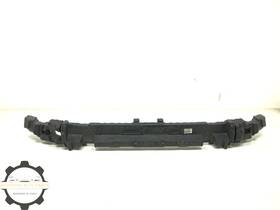
( Brand: Mini ), ( Manufacturer Part Number: 587455 ), ( Type: Bumper Impact Absorber ), ( Color: Black ), ( Placement On Vehicle: Front )
Review MINI Front Bumper Impact Energy Absorber Foam #note fits COOPER F56 2021–2024
The **Mini 587455 Front Bumper Impact Energy Absorber Foam (2021 2024 Cooper F56)** is a precision-engineered aftermarket component designed to enhance the structural integrity and safety performance of the iconic Mini Cooper F56 model during frontal collisions. Crafted from high-density, high-resilience polyurethane foam, this energy absorber is specifically calibrated to optimize crash energy distribution, reducing the risk of deformation to the vehicle s core frame and critical safety systems. The foam s graded density ensures progressive absorption of impact forces, gradually dissipating energy away from the passenger cabin while maintaining the bumper s original aesthetic and functional alignment. Ideal for both professional installers and discerning DIY enthusiasts, this foam insert seamlessly integrates with the factory bumper system, offering a cost-effective alternative to full bumper replacements after accidents or wear. Its compatibility with the 2021 through 2024 Cooper F56 models ensures a perfect fit, preserving the vehicle s handling dynamics and resale value while delivering superior crash protection. Whether restoring a previously damaged bumper or upgrading for added safety, this energy absorber foam provides a reliable, durable solution that adheres to automotive industry standards for performance and longevity.
### Pros and Cons of buying a Mini Cooper F56 Front Bumper Impact Energy Absorber Foam (Part Number 587455, 2021-2024 Models)
#### **Pros:**1. **Enhanced Safety in Collisions** The foam acts as an energy absorber, reducing the impact force on the vehicle s frame and occupants during a front-end collision. This can help minimize structural damage and improve crashworthiness.
2. **OEM Quality and Fit** As an original equipment manufacturer (OEM) part, this foam is designed specifically for the Mini Cooper F56 model series (2021-2024). It ensures a precise fit, maintaining the vehicle s original crash protection standards.
3. **Prevents Frame Damage** Without proper energy absorption, a front-end collision can warp or damage the frame, leading to costly repairs. This foam helps distribute impact forces more evenly, reducing the risk of frame distortion.
4. **Compatibility with Aftermarket Parts** If you re replacing other front bumper components (e.g., bumper covers, sensors), this foam ensures the new parts integrate correctly without compromising safety.
5. **Long-Term Durability** High-quality OEM foam is built to withstand repeated impacts (within normal driving conditions) and retains its structural integrity over time, unlike cheaper aftermarket alternatives that may degrade faster.
6. **Maintains Resale Value** Keeping the vehicle in original condition with genuine parts can help preserve its resale value, especially if you plan to sell or trade it in the future.
7. **Warranty Coverage** Purchasing from an authorized dealer or Mini-approved supplier may include warranty protection, covering defects in materials or workmanship.
---
#### **Cons:**1. **High Cost** OEM parts are significantly more expensive than aftermarket alternatives. The price reflects the brand s reputation, quality, and warranty, which may not be justified if you re on a tight budget.
2. **Limited Availability** Depending on your location, finding an authorized dealer or supplier for this specific part may require extra effort, potentially increasing shipping or wait times.
3. **Potential Overkill for Minor Use** If you primarily drive in low-risk areas or have a well-maintained vehicle, the likelihood of needing this part may be low. Investing in it preemptively could be seen as unnecessary.
4. **Installation Complexity** Replacing the foam may require disassembling parts of the bumper system, which could be time-consuming or labor-intensive if you re not mechanically inclined. Professional installation adds to the cost.
5. **Depreciation Over Time** Like all vehicles, Mini Coopers depreciate, and the value of this specific part may not align with the overall depreciation of the car. If you re planning to keep the car long-term, the upfront cost may be worth it, but for short-term ownership, it s less critical.
6. **Environmental and Ethical Concerns** OEM parts contribute to electronic waste when replaced. If sustainability is a priority, you might consider recycled or aftermarket options, though their safety may not be guaranteed.
7. **Risk of Counterfeit Parts** If purchasing from unauthorized sellers, there s a chance of receiving substandard or counterfeit foam, which could compromise safety. Always buy from reputable sources.
---
### **Conclusion:**The Mini Cooper F56 front bumper impact energy absorber foam (part number 587455) is a critical safety component that significantly enhances crash protection for your vehicle. Its OEM quality, precise fit, and durability make it a reliable choice for owners who prioritize safety and long-term vehicle integrity. However, the high cost and potential overkill for low-risk drivers may deter some buyers.
If you ve been in a front-end collision, plan to modify the bumper system, or live in an area with frequent accidents, investing in this part is justified. For casual drivers in safe conditions, the expense may not be necessary unless you re replacing other bumper components that require it.
### **Recommendation:**- **Buy it if:** You ve experienced a front-end collision, are replacing the bumper system, or want to ensure maximum safety and resale value. Purchase from an authorized Mini dealer or a trusted supplier to guarantee authenticity.
- **Skip it if:** You re on a tight budget, the vehicle has minimal collision risk, or you re open to aftermarket alternatives (though weigh the trade-offs in safety and fit).
- **Alternative Consideration:** If cost is a concern, research high-quality aftermarket foam options with positive reviews, but verify compatibility and safety certifications before purchasing.
Ultimately, the decision depends on your priorities whether you value peace of mind, safety, and long-term vehicle health over immediate cost savings.
Details:
part #: 587455 prices
- $27.99-$99.99
specifications vintagecarbumperus:
- for models: F56, Cooper
- for years: 2021-2024
- brand: Mini
- mpn: 587455
- type: Bumper Impact Absorber
- color: Black
- placement on vehicle: Front
returns vintagecarbumperus:
- paid by: Buyer
- policy: Returns Accepted
- time: 30 Days
shipping vintagecarbumperus:
- transit: 3-7 Days
- type: Fixed
- class: Standard
- cost: $0.00
- service: Standard
payments vintagecarbumperus:
- credit card: Diners-club
- wallet: Apple-pay
- other
seller vintagecarbumperus:
- city: Anderson, South Carolina
- rating: 99.8%
- # reviews: 17173
offer vintagecarbumperus:
- started: May 13, 2026
- sold: 0
- options: Ship-to-home
- quantity: 1
- availability: In Stock
general vintagecarbumperus:
- Exterior Parts Accessories > Bumpers Components > Bumper Inserts Covers
- condition: Used
Mini 587455 Is Similar To:
- Carbon Cur012 Minisport Bumper Mini Fibre Austin Pair (28.4% similar) This is a brand new pair of carbon fiber bumpers from Mini sport. They have the charcoal carbon fiber weave look. Their part number is CUR012 and the us price is 281...(December 1st, 2014)
- Dpb10165ms Mini Mania Classic Austin Bumper Stainless Steel Front Or Rear (28.9% similar) Stainless steel bumpers, non-genuine rover. This is why rover went to stainless steel for their material of choice. Polished to chrome like finish. As most of us have learned the hard way, chrome rusts from underneath...(June 14th, 2021)
- 51117127925 Vivid Parts New Front Bumper Cover For Mini Cooper Painted (43% similar) 2005-2008MINI cooper. Bumper cover. Discover network. Master card. Warranty: 1 year warranty. New condition...(February 13th, 2022)
- Factory Oem 2304595001 F56 2014 2015 Mini Cooper S Sport Rear Bumper Cover 7343614 (33.5% similar) Part #: factory oem 2304595001 for sale...(September 26th, 2023)
- Mini Cooper 190-50261m Rear Bumper John Works Convertible Fits 07-10 (44.9% similar) John cooper works; con,, w/o aery package; park assist; w/fog lamps, Mini cooper 09-10 excl. Thanks, donor vehicle model: Mongoose year: 2010 mileage: 78000 not available or unknown stock number: 088608 notes: 2DR-CONV,SPARKLING-SILVER-PAINT-A60 8222020, this part will fit these makes and model's ...(October 14th, 2023)
- Factory Oem 51117390520 2017 2019 Mini Cooper Countryman Front Bumper Cover Damaged (40.7% similar) 2017 - 2019 year model's...(October 25th, 2023)
- Mini 7255107 2011-2015 Cooper S R55 R56 R57 Front Bumper Cover Pepper White Oem (58.2% similar) Please look at the pictures. Good condition, there are cosmetic imperfections such as scratches, scuffs, indentations, and normal wear. 2011 -2015 Mini coopers R55 R56 R57 front bumper cover pepper white oem 7255107, fitment: 2011 -2014 club man 2011 -2013 hatchback convertible R57, used. Donor ...(January 19th, 2024)
- Mini Cooper 7260578 2007-13 R56 Oem Rear Bumper Cover Assembly 1046 (39.7% similar) This item came from: 2013 Mini cooper 1.6L turbo 77K about item: better to see something once than hear about it a thousand times...(January 20th, 2024)
- Mini 114129-10 07 08 09 Cooper Base Rear Bumper Tow Cap Cover Plug Red Oem Genuine (39.8% similar) Painted parts are handled with special care to prevent light scratches as much possible. Once pictures of an item have been taken, the is wrapped to prevent dust or scratches and stored on shelving in a climate controlled room. A few items are in new condition...(May 6th, 2024)
- Mini 9242797 2011-2015 Cooper Countryman Rear Bumper Breather Covering Air Vent Oem (46.9% similar) Free shipping applies only to the contiguous 48 states. Express shipping could be arranged, just let us know. Otherwise a $150 fee may apply...(August 2nd, 2024)
- Mini 51127389378 2017-2019 Cooper Countryman Rear Bumper Cover Oem (52.4% similar) It is designed to fit perfectly and provide a seamless finish your vehicle. The black painted finish adds a touch of elegance and enhances the overall look your car. This rear bumper cover is a genuine oem part for 2017 -2019 Mini cooper countryman. This item is a must-have for any Mini cooper ...(August 3rd, 2024)