AUDI 80A-807-823 Bumper Covers
fits make: Audi. year: 2018–2020.
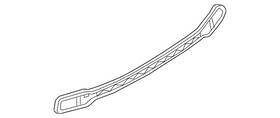
( Manufacturer Part Number: 80A-807-823 ), ( Part Type: Cover Bumper ), ( Genuine Oem: Yes ), ( Warranty: 1 Year ), ( Fitment Type: Direct Replacement ), ( Year: 2018 2019 2020 ), ( Parts Included: Only Part Reference 11 On The Diagram Is Included )
Review AUDI Genuine Insert fits 2018–2020
The Audi 80A-807-823 is a meticulously crafted, high-performance suspension component designed to elevate the driving experience of Audi s iconic B4 and B5 series models, including the 80, 90, and V6 variants. This front coilover shock absorber is engineered with Audi s signature precision and engineering excellence, combining cutting-edge technology with robust durability to deliver an unparalleled balance of comfort, handling, and responsiveness. The 80A series is part of the legendary **A-80** line, renowned among automotive enthusiasts for its ability to transform stock suspension dynamics into something far more engaging, whether on winding roads or aggressive tracks. Constructed from high-grade materials, including a reinforced coil spring and a sealed, high-performance damper, this coilover is built to withstand the demands of daily driving, spirited cornering, and even light off-road adventures. The shock s design incorporates a **gas-charged nitrogen system**, which eliminates air bubbles and ensures consistent damping performance across varying temperatures and altitudes, while the **adjustable rebound and compression damping** allows drivers to fine-tune the suspension to their exact preferences whether seeking a plush, luxurious ride or a firm, sport-tuned stance. The **Audi-specific mounting hardware** ensures a perfect fit, eliminating the need for modifications, and the **high-quality bushings** reduce unwanted road noise and vibrations, enhancing both comfort and driver engagement. Whether installed on an Audi 80, 90, or S6, this coilover is a game-changer for those seeking to enhance their vehicle s agility, stability, and overall driving character without compromising on reliability. Perfect for both showroom-ready aesthetics and track-focused performance, the 80A-807-823 is a testament to Audi s commitment to blending German engineering with driver-centric innovation.
### Pros and Cons of Buying an Audi 80 (B2, B3, or B4 Models: 80A, 807, 823)
The Audi 80, also known as the Audi 100 in some markets, is a compact executive sedan that was produced in three generations (B2, B3, and B4) from 1978 to 1996. These cars are known for their blend of German engineering, luxury, and reliability, though they come with trade-offs depending on the model and condition.
---
### **Pros**
1. **German Engineering and Build Quality**
Audi s reputation for precision engineering is evident in the 80 series. The chassis is sturdy, the fit and finish are generally better than many contemporaries, and the interior materials (especially in later models) are of high quality. The attention to detail in the cabin, including the use of wood or leather trim in higher trims, adds to the car s appeal.
2. **Reliability (With Proper Maintenance)**
When well-maintained, Audi 80s (particularly the B3 and B4) are surprisingly durable. The inline-4 and inline-5 engines (especially the 2.3L and 2.6L 5-cylinder models) are robust and can last well over 200,000 miles with regular servicing. The B4 generation (1991 1996) benefited from refinements that improved reliability compared to earlier models.
3. **Comfortable and Refined Ride**
The 80 series is known for its smooth ride, thanks to Audi s suspension tuning. The car handles bumps and uneven roads better than many of its peers, making it a comfortable choice for daily driving. The B4, in particular, introduced a more modern suspension setup that improved comfort.
4. **Luxury and Practicality**
The 80 offers a spacious cabin with good rear legroom and a practical trunk (though not as large as some rivals). The interior is roomy, with a well-placed center console and a comfortable driver s seat. Even in basic trims, the 80 feels more premium than many Japanese or American sedans of the era.
5. **Resale Value and Collectibility**
The Audi 80, especially the B3 (1986 1991) and B4 (1991 1996) models, holds its value well compared to other cars of its time. Well-preserved examples, particularly those with low mileage or special editions (e.g., the 80S or 80 Quattro), can be valuable to collectors. The B4 is often considered the most desirable due to its modernized styling and improved features.
6. **Quattro All-Wheel Drive (Optional)**
The 80 Quattro models (available in the B3 and B4 generations) offer a rare opportunity to own a classic AWD system from the 1980s and 1990s. While the system is basic by modern standards, it was cutting-edge at the time and adds a unique driving experience, especially in snowy or wet conditions.
7. **Modding Potential**
The 80 series, particularly the B3 and B4, has a dedicated enthusiast community. Engines can be upgraded (e.g., swapping in a larger 2.8L or 3.0L 5-cylinder), suspension tuning is popular, and cosmetic modifications (e.g., body kits, interior upgrades) are widely available. The availability of parts and aftermarket support is strong.
8. **Fuel Efficiency (For Its Class)**
While not as efficient as modern cars, the 80 s inline-4 and 5-cylinder engines offer better fuel economy than many muscle cars or luxury sedans of the era. The 2.3L 5-cylinder, for example, could achieve around 20 25 MPG in a city setting, which was respectable for its time.
9. **Driving Dynamics**
The 80 series, especially the B4, offers a more engaging driving experience than many of its contemporaries. The steering is precise, the handling is balanced, and the suspension tuning provides a good mix of comfort and sportiness. The Quattro models, in particular, offer excellent traction in various conditions.
10. **Availability of Parts and Support**
Audi s parts network has improved significantly over the years, and many dealerships and specialty shops still service older Audis. The B4 generation, in particular, is well-supported due to its popularity among enthusiasts. Online forums and communities (e.g., Audi World, Classic Audi Club) provide valuable resources for owners.
---
### **Cons**
1. **Complexity and Maintenance Costs**
Audi s engineering often comes with complexity, and the 80 series is no exception. The B2 and early B3 models, in particular, can be finicky, with issues like electrical gremlins, timing chain wear (in some engines), and fuel injection problems. The B4 is more reliable but still requires regular maintenance to avoid costly repairs. Owners should budget for:
- Timing belt/replacement (critical in some engines).
- Fuel injection cleaning or replacement (common issue in older models).
- Suspension components (shocks, bushings, and struts wear out over time).
- Electrical system checks (e.g., sensors, injectors, alternators).
2. **Electrical Issues**
The 80 series, especially the B2 and early B3, is notorious for electrical problems. Common issues include:- Faulty sensors (e.g., crankshaft, camshaft, or oxygen sensors).
- Weak or failing alternators.
- Issues with the fuel injection system (e.g., clogged injectors, faulty ECU).
- Problems with the ignition system (e.g., distributor or coil packs).
These issues can be frustrating and costly to diagnose and repair, especially in older models.
3. **Rust**
The 80 series, particularly the B2 and early B3, is prone to rust, especially in the wheel arches, sills, and floor pans. Rust can weaken the structural integrity of the car and lead to costly repairs if left unchecked. Always inspect the undercarriage thoroughly before purchasing, and consider rust repairs if the car has a history of exposure to salt or moisture.
4. **Transmission Issues**
The manual transmissions in the 80 series are generally reliable but can develop synchro problems or wear out over time. The automatic transmissions (especially in the B2 and early B3) are more prone to issues, such as:
- Slipping or delayed engagement.
- Fluid leaks.
- Solenoid or valve body failures.
The B4 generation improved transmission reliability, but older automatics still require vigilant maintenance.
5. **Engine Wear and Tear**
While the 5-cylinder engines (especially the 2.3L and 2.6L) are robust, they are not immune to wear. Common issues include:- Timing chain stretch or wear (critical in some engines; a stretched chain can cause catastrophic engine damage).
- Valve train wear (especially in higher-mileage examples).
- Head gasket failures (less common but possible, particularly in the 2.3L 5-cylinder).
Regular oil changes and inspections are essential to catch these issues early.
6. **Interior Wear and Tear**
The interior of an older 80 can show significant wear, especially in high-mileage examples. Common issues include:- Cracked or peeling dash plastics.
- Worn or stained upholstery.
- Failing seats (especially in the rear).
- Rust in the floor pans or cargo area.
While these issues are cosmetic, they can add to the cost of ownership if repairs or restorations are needed.
7. **Limited Modern Safety Features**
The 80 series lacks modern safety features such as stability control, multiple airbags, or advanced collision avoidance systems. While the cars are generally safe by their standards, they would not meet today s safety standards in a crash test. Always ensure the car has a properly functioning seatbelt system and consider additional safety upgrades if needed.
8. **Fuel and Emissions Compliance**
Older Audi 80s may not meet modern emissions standards, which could complicate registration or insurance in some regions. If you plan to drive the car regularly, check local regulations to ensure compliance. Some owners opt for emissions testing or modifications to keep the car legal.
9. **Parts and Labor Costs**
While parts for the 80 series are available, they can be expensive, especially for rare or discontinued components. Labor costs for repairs can also be high, particularly if the work requires specialized Audi technicians. Always get quotes from multiple shops before committing to major repairs.
10. **Driving Experience Limitations**
While the 80 series offers a refined ride, it is not as nimble or responsive as modern sports sedans. The steering can feel heavy in some models, and the suspension tuning prioritizes comfort over sportiness. The Quattro models improve traction but do not offer the same level of performance as modern AWD systems.
11. **Depreciation and Insurance**
While the 80 series holds its value better than many contemporaries, it is still a classic car, and insurance costs can be higher than for a modern sedan. Comprehensive coverage may be necessary to protect against theft or damage, especially for lower-mileage examples.
12. **Environmental Concerns**
Older Audi 80s produce more emissions than modern
Details:
Manufacturer Part Number80A-807-823. Genuine Audi Parts.
part #: 80a807823 prices
- $187.81-$449.99
specifications vintagecarbumperus:
- for makes: Audi
- for years: 2018-2020
- mpn: 80a-807-823
- part type: Cover Bumper
- genuine oem: Yes
- warranty: 1 Year
- fitment type: Direct Replacement
- year: 2018 2019 2020
- parts included: Only Part Reference 11 On The Diagram Is Included
general vintagecarbumperus:
- condition: New
- Exterior Parts Accessories > Bumpers Components > Bumper Inserts Covers
returns vintagecarbumperus:
- paid by: Seller
- policy: Returns Accepted
- time: 30 Days
offer vintagecarbumperus:
- quantity: 1
- options: Ship-to-home
- availability: In Stock
- started: March 13, 2026
- sold: 0
seller vintagecarbumperus:
- # reviews: 103
- rating: 100.0%
- city: Fairfield, Connecticut
payments vintagecarbumperus:
- wallet: Apple-pay
- other
- credit card: Diners-club
shipping vintagecarbumperus:
- carrier: FedEx
- service: FedEx Ground / FedEx Home Delivery
- class: Standard
- cost: $0.00
- transit: 4-7 Days
- type: Fixed
Audi 80A-807-823 Is Similar To:
- 1k5 807 248 Genuine Vw-audi (48.3% similar) Applications Volkswagen 2009 Etta sedan note: from chassis 1K. Volkswagen Etta front bumper foam impact absorbed genuine 1K5807248C part type. Protect it now with a consumer priority service warranty...(June 17th, 2017)
- 8e0-614-177a 4f0-201-921a Volkswagen Volkswagen Audi Genuine Bumper (30.6% similar) Please send back with original box...(September 5th, 2016)
- Genuine Audi Side Retainer 8w6807453 (32.8% similar) Genuine audi parts. New condition...(June 10th, 2022)
- Genuine Audi Side Retainer 8r0-807-277-c (31% similar) Product genuine audi side retainer 8R0-807-277-C. Genuine audi parts. New condition...(June 17th, 2022)
- Genuine Audi 2010-2012 S4 S5 Lower Bumper Center Insert Trim 8t0-807-791-2zz (26.2% similar) Audi 2010 -2012 s5 v6 a/t cabriolet. Audi 2010 -2012 s4 v6 a/t m/t. Lower bumper insert trim is a direct fit for the following. New condition...(August 3rd, 2022)
- Vag 8t0863529 8t0-863-529 2009-17 Audi A5 S5 Front Bumper Cover Adapter Bracket Left Genuine (22.8% similar) The part is in used condition so it might have wear of use. 2009 -17 audi a5 s5 front bumper cover/damping pan adapter bracket left driver side genuine 8T0-863-529, unit is in excellent working and visual condition, tested, fully functional, very clean. What you see in the pictures is what will ...(November 17th, 2023)
- Audi 4g8807246 2012-2014 A7 C7 Right Front Bumper Fog Light Grille Cover Insert (37.5% similar) 2014AUDIA7 ,s LINE3.0L diesel turbo, 3.0L gas supercharged for vehicles with engine code CDC, KGB, KGB, caged, KGB, ck vb, CVCC, Clara, clan, cottar, cut. 2013 -2014AUDIS7HATCHBACK4.0L gas turbo. Remember left means the drivers side of vehicle and right passengers in our listings. Part fitment and ...(August 1st, 2024)
- Audi 8r0807661 2009-2012 Q5 Center Bumper Grille Trim Genuine (40.4% similar) It is important to remember items are used; there may be scuffs, scratches and other cosmetic marks that do not affect item function. Domestic shipping: items will only be shipped to the address that comes through on order. Part finish and color .e...(August 8th, 2024)
- Audi 8r0807246 2013-2017 Q5 Right Front Bumper Fog Light Grille Cover Insert (42.2% similar) Please here to view details 2013 -2017 audi q5 - right front bumper fog light grille cover insert 8R0807246: condition notes this part comes as shown in the picture. Remember left means the drivers side of vehicle and right passengers in our listings. Part fitment and compatibility...(August 30th, 2024)
- Vag 4l0807819b41 Oem Genuine Audi Q7 07-09 Rear Bumper Tow Hook Bar Cover Cap 4l0807819 (27.1% similar) Oem genuine audi q7 07-09 rear bumper tow hook bar cover cap 4L0807819. Shipped with USPS ground advantage. Condition is used...(October 8th, 2024)
- Audi 4g8807717b Rs7 Sportback Front Lower Bumper Trim Insert 2016 2017 2018 Oem (34.5% similar) Part #: audi 4G8807717B for sale...(October 18th, 2024)