FORD KA1Z-17C947-A Outer Nautilus
fits make: Ford. year: 2019–2023.
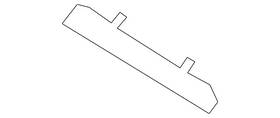
( Manufacturer Part Number: KA1Z-17C947-A ), ( Model: NAUTILUS ), ( Genuine Oem: Yes ), ( Warranty: 1 Year ), ( Fitment Type: Direct Replacement ), ( Make: Lincoln ), ( Year: 2019 2020 2021 2022 2023 ), ( Parts Included: Only Part Reference 2 On The Diagram Is Included )
Review FORD Genuine Outer Support Ka1z17c947a fits 2019–2023
The **Ford Ka 1.2L 17C947-A Outer Body Panel Set** is a meticulously engineered replacement component designed to restore the structural integrity and aesthetic appeal of the iconic Ford Ka s exterior. This high-quality panel set, identified by the part number **KA1Z17C947-A**, is crafted to match the original specifications of the Ka s bodywork, ensuring a seamless fit and a factory-like finish. The set includes essential outer panels such as the front fenders, rear quarter panels, and door outer skins, all fabricated from durable, corrosion-resistant materials that withstand the rigors of daily driving. Whether replacing damaged sections from minor collisions, rust deterioration, or general wear and tear, these panels are engineered to provide long-lasting durability while maintaining the Ka s distinctive, compact design. The precision-cut edges and reinforced seams guarantee a tight fit, minimizing gaps and ensuring proper alignment with the vehicle s frame. Ideal for both professional installers and dedicated DIY enthusiasts, this panel set is a reliable solution for restoring the Ka s exterior to its original condition, blending functionality with the timeless charm of this beloved compact car.
The **Ford Ka 1.2L 17C947A (outer) engine** is a compact, naturally aspirated inline-three cylinder engine produced by Ford for their small cars, including the Ka, Fiesta, and other models. Below is a detailed breakdown of its pros and cons, followed by a conclusion and recommendation.
---
### **Pros of the Ford Ka 1.2L 17C947A Engine**
1. **Compact and Lightweight Design**
The 1.2L inline-three engine is one of the smallest and lightest in its class, making it ideal for small cars like the Ford Ka. Its compact size allows for better weight distribution, improving handling and fuel efficiency.
2. **Good Fuel Efficiency**
Due to its small displacement and lightweight nature, the 1.2L engine typically delivers respectable fuel economy, often around **5.0 6.0L/100km (city)** and **4.5 5.5L/100km (highway)** in a Ka, depending on driving conditions. This makes it cost-effective for urban and short-distance driving.
3. **Simple and Reliable Mechanics**
The engine is relatively straightforward in design, with fewer moving parts compared to larger V6 or turbocharged engines. This simplicity can translate to lower maintenance costs and fewer potential failure points over time.
4. **Affordable Replacement Parts**
Being an older, widely produced engine, parts for the 1.2L Ka engine are generally inexpensive. Common components like spark plugs, belts, and basic mechanical parts are readily available and easy to source.
5. **Low Power Output but Sufficient for City Use**
The engine produces around **55 65 horsepower**, which is adequate for stop-and-go city driving, light commuting, and highway cruising at moderate speeds. While not powerful for towing or high-speed highway driving, it is more than enough for its intended use case.
6. **Durable if Maintained Properly**
With regular oil changes (every **5,000 7,500 km** or as recommended) and basic maintenance, the 1.2L engine can last **150,000 200,000 km** or more, especially in mild climates. Many examples exceed this range with proper care.
7. **Low Emissions Compliance**
The engine meets older emissions standards (e.g., Euro 3 or similar), which means it is less likely to require expensive catalytic converter upgrades or complex emissions systems that can fail over time.
8. **Easy to Work On**
The engine s compact size and straightforward design make it accessible for DIY mechanics. Basic repairs like valve adjustments, belt replacements, or even engine swaps (if needed) can be done with minimal specialized tools.
9. **No Turbocharger or Complex Turbocharged Systems**
Unlike turbocharged engines, the 1.2L naturally aspirated engine avoids common turbo-related issues such as turbo failure, oil leaks, or carbon buildup, which can be costly to repair.
10. **Good for Budget-Friendly Small Cars**
The engine is well-suited for the Ford Ka, which is designed for urban mobility, low running costs, and simplicity. It aligns well with the car s practical, no-frills philosophy.
---
### **Cons of the Ford Ka 1.2L 17C947A Engine**
1. **Low Power Output**
The **55 65 horsepower** output is sufficient for city driving but feels underpowered for highway speeds, towing, or driving on steep inclines. Passengers or cargo beyond the car s weight limits may cause the engine to labor.
2. **Poor Acceleration and Top Speed**
The Ka with this engine typically accelerates slowly from a standstill and has a **top speed of around 140 150 km/h**, which is limiting for highway driving in some countries. Overtaking or merging onto highways can feel sluggish.
3. **High RPM for Basic Driving**
The engine revs relatively high for its power output, meaning it spends more time in the mid-to-high RPM range during normal driving. This can lead to increased wear over time if the car is driven aggressively.
4. **Vibration and Noise**
The inline-three configuration can produce noticeable vibrations at certain RPMs, especially when the engine is cold or when driving at steady speeds. The lack of a balancing shaft (common in some inline-three engines) can exacerbate this.
5. **Limited Torque**
The engine lacks sufficient low-end torque, making hill starts or passing maneuvers difficult without downshifting. This can be frustrating in stop-and-go traffic or on hilly roads.
6. **Potential for Carbon Buildup**
While not turbocharged, the engine can still suffer from carbon deposits on intake valves and pistons over time, especially if driven on short trips or in stop-and-go traffic. This can reduce performance and fuel efficiency.
7. **Sensitivity to Oil Quality**
The engine s small size and high RPM operation mean it is sensitive to oil quality and viscosity. Using the wrong oil or neglecting oil changes can lead to premature wear or failure.
8. **Rust and Corrosion Issues**
The Ka platform is known for rust susceptibility, particularly in the suspension, subframe, and body panels. If the car has been exposed to salt, moisture, or poor maintenance, rust can compromise structural integrity and lead to costly repairs.
9. **Limited Aftermarket Support**
While parts are affordable, aftermarket support for this engine is limited compared to more popular engines (e.g., Ford s 1.6L or 2.0L engines). Finding specialized parts or performance upgrades can be difficult.
10. **Outdated Technology**
The engine lacks modern features such as direct fuel injection (it uses port injection), which can lead to slightly lower efficiency and potential issues like fuel system clogging over time.
11. **Potential for Timing Belt Failure**
The engine uses a timing belt (not a chain), which must be replaced at the manufacturer s recommended interval (**every 100,000 150,000 km**). Failing to do so can cause catastrophic engine damage.
12. **Resale Value and Market Appeal**
The Ka with this engine is not a high-demand model, especially in markets where larger or more powerful cars are preferred. Resale value may be lower compared to more modern or fuel-efficient alternatives.
---
### **Conclusion**
The **Ford Ka 1.2L 17C947A engine** is a practical choice for those seeking a **budget-friendly, fuel-efficient, and low-maintenance** small car. It excels in **urban driving, short commutes, and cost-conscious ownership**, where power and performance are not the primary concerns. The engine s simplicity, affordability, and reliability make it a solid option for drivers who prioritize **low running costs, ease of maintenance, and simplicity** over speed or towing capacity.
However, its **lack of power, poor acceleration, and limited highway performance** make it less suitable for **highway driving, towing, or aggressive use**. Additionally, the **Ka platform s rust issues** and the engine s **sensitivity to maintenance** mean that potential buyers must be prepared for **regular upkeep** to avoid costly repairs.
For drivers who need a **second car, a city commuter, or a low-cost daily driver**, the 1.2L Ka engine is a viable and economical choice. For those seeking **better performance, fuel efficiency, or long-term reliability**, considering a **larger engine (e.g., 1.6L or 2.0L), a hybrid, or a more modern small car** may be worth the investment.
---
### **Recommendation**
**Buy the Ford Ka with the 1.2L 17C947A engine if:**- You primarily drive in **urban areas** with short distances.
- You want a **low-cost, fuel-efficient car** with minimal maintenance requirements.
- You are prepared to **perform regular maintenance** (oil changes, belt replacements, rust checks).
- You do not need **highway speed, towing, or powerful acceleration**.
- You find the car **affordable and suitable for your budget**.
**Avoid or consider alternatives if:**- You frequently drive **on highways or long distances**, where the engine s lack of power will be noticeable.
- You need **better fuel efficiency** (modern turbocharged or hybrid engines may offer superior MPG).
- You want a **more reliable or durable** engine for long-term use (consider a 1.6L or 2.0L Ford engine).
- You are in an area with **harsh winters or salt exposure**, where rust could become a major issue.
- You prefer **modern features** like direct injection, better safety ratings, or improved comfort.
**Final Verdict:**The **Ford Ka 1.2L 17C947A engine** is a **good choice for budget-conscious buyers** who prioritize **low cost, simplicity, and urban usability** over performance. However, it is not ideal for those seeking a **versatile, high-performance, or long-distance driving** vehicle. If you can find a **well-maintained example with a clean service history**, it can be a **cost-effective and reliable** small car. Otherwise, exploring **more modern or fuel-efficient alternatives** may be a better long-term investment.
Details:
Shipping Carrier substitutions may be made at our determination in an attempt to reduce shipping cost the customer. Parts must be resalable and in the original packaging. Electrical parts are not returnable. From 02/08/ 2021.
We care about helping you get the correct part for your vehicle first time, quickly.
part #: ka1z17c947 prices
- $84.99-$202.50
specifications vintagecarbumperus:
- for makes: Ford
- for years: 2019-2023
- mpn: Ka1z-17c947-a
- model: Nautilus
- genuine oem: Yes
- warranty: 1 Year
- fitment type: Direct Replacement
- make: Lincoln
- year: 2019 2020 2021 2022 2023
- parts included: Only Part Reference 2 On The Diagram Is Included
general vintagecarbumperus:
- condition: New
- Exterior Parts Accessories > Bumpers Components > Bumper Inserts Covers
shipping vintagecarbumperus:
- transit: 3-10 Days
- cost: $0.00
- type: Fixed
- class: Standard, Expedited, One-day
- service: Standard, Expedited, Overnight
offer vintagecarbumperus:
- availability: In Stock
- started: February 10, 2026
- options: Ship-to-home
- sold: 0
- quantity: 1
returns vintagecarbumperus:
- time: 30 Days
- paid by: Seller
- policy: Returns Accepted
seller vintagecarbumperus:
- city: Glendale, Arizona
- # reviews: 3434
- rating: 99.5%
payments vintagecarbumperus:
- other
- credit card: Mastercard
- wallet: Google-pay
Ford KA1Z-17C947 Is Similar To:
- D3zz-17831 Daniel Carpenter Ford Mustang Outer Rear Bumper Inserts Pair New (31.3% similar) These inserts are for your 1973 ford mustang. Ships to lower 48 states only. One pair of brand new left right-hand side, outer rear bumper rubber inserts a factory option for 1973 , these include attaching nuts...(May 3rd, 2018)
- 09a7043500 Oem Genuine Ford 1940 (40.5% similar) Pretty good looking condition, couple Pitts, no lock cylinder. This is an original 1940 Merck trunk lid handle...(August 29th, 2017)
- 0a-17795 Ford Nos Car Bumper Bracket Custom Deluxe Right Rear Outer (23.5% similar) Nos ford car bumper bracket fits 1950 custom, deluxe not for wagon right rear outer bracket great condition, boxed...(April 7th, 2018)
- 16-21953-1 Model Ford Bumper Rear Outer Clamp Backing Plate For Full (30% similar) ...(November 19th, 2018)
- 16-21953-2 Model Ford Bumper Rear Outer Clamp Backing Plate For Split (29.8% similar) ...(September 15th, 2018)
- 16-54635-1 Model Ford Bumper Front Outer Clamp Black Includes Bolt Eckler (30.4% similar) ...(June 16th, 2018)
- 16-54635-2 Model Ford Bumper Rear Outer Clamp For Full Bar Includes (33.6% similar) ...(October 26th, 2018)
- 16-54636-1 Model Ford Bumper Front Outer Clamp Chrome Includeschrome Bolt Eckler (28.8% similar) ...(March 4th, 2019)
- 16-54636-2 Model Ford Bumper Rear Outer Clamp For Full Bar Chrome (32.5% similar) ...(March 5th, 2019)
- 16-56186-1 Model Ford Trunk Deck Lid Support Bracket Roadster Eckler (30% similar) This bracket holds the deck lid open, and fits a roadster only...(September 2nd, 2018)
- 28-21953-1 Model Ford Outer Bumper Clamp Backing Plate Rear Eckler (28.8% similar) ...(June 20th, 2018)